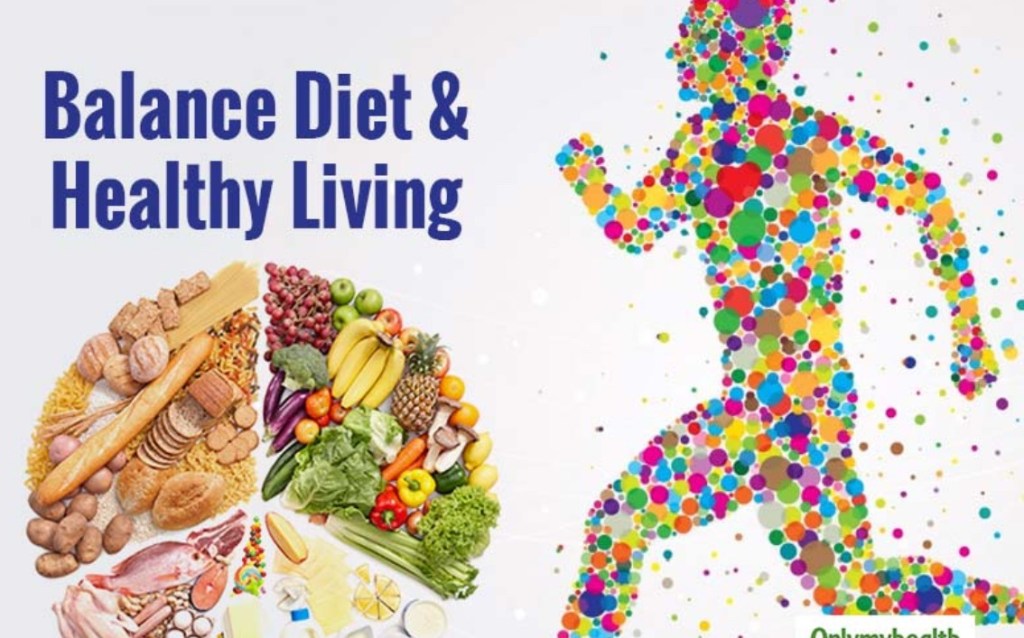
A healthy and balanced lifestyle involves making choices in diet, physical activity, sleep, and stress management to optimize physical and mental well-being. This includes eating a variety of nutrient-rich foods, engaging in regular exercise, getting sufficient sleep, and managing stress effectively.
Here’s a more detailed look at the key components:
1. Diet:
- Balanced Nutrition: A balanced diet includes a variety of fruits, vegetables, whole grains, lean proteins, and healthy fats.
- Hydration: Drinking enough water is crucial for overall health.
- Limited Processed Foods, Sugars, and Alcohol: Reducing intake of these can significantly improve health outcomes.
- Portion Control: Eating in moderation helps maintain a healthy weight.
2. Physical Activity:
- Regular Exercise: Aim for at least 30 minutes of moderate-intensity exercise most days of the week.
- Variety: Include activities you enjoy, such as walking, running, swimming, or cycling.
- Reduce Sedentary Time: Minimize prolonged periods of sitting.
3. Sleep:
- Adequate Sleep: Aim for 7-9 hours of quality sleep per night.
- Consistent Sleep Schedule: Going to bed and waking up around the same time each day can improve sleep quality.
4. Stress Management:
- Mindfulness and Relaxation Techniques:Practicing mindfulness, meditation, or deep breathing can help reduce stress.
- Social Support:Building and maintaining strong relationships with family and friends can provide emotional support.
- Hobbies and Interests:Engaging in activities you enjoy can help relieve stress and improve mental well-being.
5. Other Important Factors:
- Regular Health Checkups: Regular checkups with a healthcare professional can help identify and address potential health issues early.
- Quit Smoking: Smoking is a major risk factor for many diseases.
- Limit Alcohol Consumption: Excessive alcohol consumption can have negative health consequences.
- Supplementation: Consider taking a multivitamin or other supplements as needed, but consult with a healthcare professional first.
 httpslifestylebook.fashion.blog